Regular Lobster vs Maine Lobster Differences We Should Know
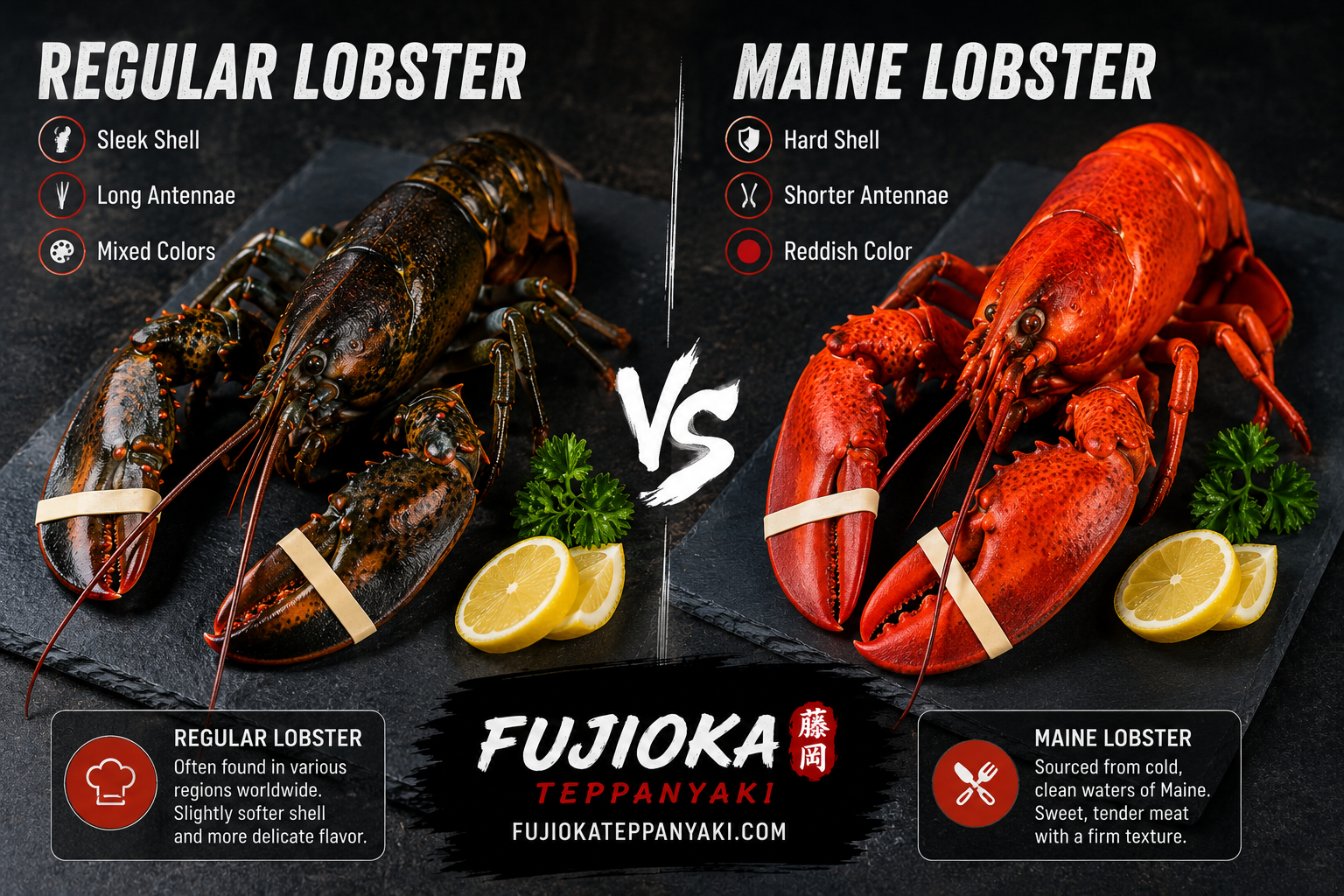
Regular Lobster vs Maine Lobster Differences We Should Know
Did you know that fishermen in the Northeast harvest over 100 million pounds of these creatures every single year? This massive scale highlights our huge appetite for premium ocean treats across the country.
We are diving into the world of diverse varieties to help you understand what makes each type special. When comparing regular lobster vs maine lobster, we find significant differences in taste and texture that impact your meal.
Many people use the word "regular" to describe warm-water lobsters that thrive in tropical areas like Florida or the Caribbean. These species often lack the large, meaty claws that many of us expect to see during a fancy dinner.
In contrast, the maine lobster offers sweet and firm meat that comes from cold, clean northern waters. It often serves as the best protein choice at catering because of its gourmet reputation and show-stopping presentation.

Knowing these details helps us appreciate why certain seafood options cost more than others at the market. We will explore how habitat and body features set these lobsters apart from their tropical cousins.
Key Takeaways
- Cold-water species feature large, edible claws while warm-water types do not have them.
- The meat from northern varieties is significantly sweeter and firmer than tropical versions.
- Warm-water varieties are often called spiny or rock species and live in tropical climates.
- Physical differences like shell thickness and claw size help identify the species quickly.
- Chefs prefer clawed varieties for high-end events and classic surf-and-turf pairings.
- Understanding these traits helps you make better decisions when buying fresh catch.
What Defines Maine Lobster and Regular Lobster Species
To truly understand the difference between these marine creatures, we must first look at the unique species that define our favorite seafood platters. While the name sounds simple, the biological makeup determines the quality and taste. We find that classification helps us distinguish a premium catch from a common one.
Maine Lobster as Homarus Americanus
We identify the maine lobster by its scientific name, homarus americanus. This specific americanus crustacean represents the "true" lobster found in the cold North Atlantic. It is the same biological variety as the Canadian Reds caught further north.

Because they share the same species designation, Canadian and Maine varieties are biologically identical. We often call them Northern lobsters because they prefer the rocky, cold coastal waters of the Northeast. Their genetics allow them to grow much larger and heavier than their warm-water cousins.
Spiny Lobsters and Other Regular Lobster Varieties
When we discuss a "regular" spiny lobster, we are usually talking about a warm-water species. These spiny lobsters belong to an entirely different taxonomic family than the homarus americanus. They lack the massive, meat-filled claws that many diners expect to see on their plates.
Instead, we observe that they have evolved thick, thorny antennae for defense. We typically find these lobsters in tropical regions like Florida or California. Our understanding of the americanus lineage helps us see why the maine lobster is so unique compared to a standard spiny lobster.
There are many types of spiny lobsters harvested around the globe. We recognize that the word lobster describes a wide range of animals. However, a true lobster must have those famous heavy claws to fit the traditional definition.
- Homarus americanus represents the specific cold-water variety native to the North Atlantic.
- We find that geography and water temperature create fundamental biological differences in these animals.
- Maine and regular varieties offer distinct culinary experiences due to their unique anatomy and habitats.
Regular Lobster vs Maine Lobster: Physical Characteristics
When we place a maine lobster next to a spiny variety, the visual contrasts in their shells and limbs become immediately apparent. These physical traits define how the animals survive and how we enjoy their meat. We can distinguish these species by looking at their overall body shape and defense mechanisms.
The Signature Large Claws of Maine Lobster
The most famous feature of the maine lobster is its set of large claws. We see one heavy crusher claw for breaking shells and one sharper pincher claw for tearing food. These large claws contain the most tender meat found on the animal.
We often use special metal crackers to open the claws during a meal. Knowing how we handle these parts helps us appreciate the meal more. Since the meat inside is so delicate, we consider it a true seafood delicacy.
Spiny Antennae and Smooth Shells of Regular Lobsters

Regular lobsters like the Florida variety lack these iconic large claws. Instead, we notice they have long, thick, spiny antennae for protection and sensory input. Since they have no meat in a claw, almost all edible portions come from the tail.
Shell Color and Texture Differences
The exterior of a lobster is typically a dark greenish-brown hue that transforms into a brilliant red after boiling. We find that the shell is quite thick and hard. This armor protects the animal from predators in cold, rocky waters.
Meanwhile, other lobsters often have a smoother, spotted shell with colors ranging from light brown to reddish-orange. Most of the weight in these varieties stays in the thick tail rather than the front. We love how these physical differences create such unique culinary experiences for every seafood fan.
Physical traits are evolutionary responses to the environment, dictating both the lobster's survival and its flavor profile.
| Physical Feature | Maine Lobster | Regular (Spiny) Lobster |
|---|---|---|
| Front Appendages | Two large claws | Long, thick antennae |
| Main Meat Source | Claws and tail | Primary tail meat |
| Shell Texture | Thick, hard, and smooth | Hard and spiny |
| Common Live Color | Dark greenish-brown | Brown to reddish-orange |
Cold Water vs Warm Water: How Habitat Shapes the Lobster
Temperature acts as a silent architect that crafts the specific flavor profiles of different lobster varieties. We find that the surrounding environment acts as the primary factor in determining the texture and sweetness of every catch. Our understanding of these habitats helps us appreciate the complexity of the seafood on our plates.
Why Cold Waters Produce Sweeter Maine Lobster Meat
Maine lobsters thrive in the chilly depths of the North Atlantic Ocean. These creatures usually inhabit rocky areas between 13 and 164 feet deep. Sometimes they even venture down to 1,500 feet to find protection from predators in cold water environments.
The cold water environment slows their metabolism and growth significantly. This slow process results in meat that is exceptionally tender and firm. We notice that cold water habitats concentrate natural sugars within the muscle fibers.
"The environment is the most important ingredient in a lobster's life, dictating its sweetness and texture."
We believe the cold water defines the species quality. These conditions ensure the maine lobster remains a culinary favorite. Every maine lobster harvested reflects the purity of the North Atlantic.
Warm Water Growth Patterns of Regular Lobsters
In contrast, spiny varieties prefer the tropical heat of the Caribbean and the Gulf of Mexico. This warmer water causes these lobsters to grow at a much faster rate. While they reach market size quickly, the rapid development changes the muscle structure.
We see that spiny species lack the same density found in northern relatives. The difference in water temperature fundamentally alters the meat composition. Ultimately, the water habitat determines whether the lobster will be buttery or briny.
The water quality and the surrounding water temperature dictate how the muscle matures. We recognize that the water environment is the true source of flavor for all species.
- Slower Growth: Leads to denser, more flavorful muscles.
- Depth Adaptations: Higher pressure and low temperatures improve texture.
- Metabolism: Influences the concentration of amino acids and sugars.
| Habitat Type | Typical Depth | Growth Speed |
|---|---|---|
| Cold Water (Maine) | 13 - 1,500 feet | Slow and Steady |
| Warm Water (Spiny) | Shallow Reefs | Rapid and Fast |
Taste and Texture: Where the Meat Tells the Story
The most significant distinction between these species becomes clear once you take your first bite. We believe that the texture, flavor, and taste of the lobster meat ultimately define its culinary value. Each variety offers a unique sensory profile that caters to different preferences and cooking styles.
Buttery Sweet Flavor of Maine Lobster Claws and Tail
When we sample maine lobsters, the first thing we notice is the delicate flavor. The cold water environment ensures the meat remains soft and incredibly sweet. Slow growth in chilly temperatures creates a texture that feels light and tender on the tongue.
We often find that the claw meat is the most prized part because of its melting consistency. While the tail offers a bit more resistance, it still maintains a clean, oceanic taste that stands out. Properly cooked Maine varieties practically melt in your mouth without much effort.
Firm Briny Meat of Spiny Lobster Tails
The spiny lobster offers a different experience, as its warm-water habitat creates a much firmer texture. We describe the taste as slightly briny, often resembling the profile of large shrimp or crab. This lobster variety feels heartier and slightly chewier than its cold-water cousin.
Because the spiny lobster lacks large claws, the focus remains on the thick, meaty tails. This lobster meat holds its shape well and absorbs marinades effectively. It serves as the best protein choice at catering when chefs prepare bold, seasoned recipes.
Even though it is different, grilled spiny lobster can be plenty sweet and so tender when we prepare it correctly with simple lime and butter.
Meat Distribution and Quality Across Body Parts
We see a clear divide in how meat is distributed between these two popular varieties. Maine lobsters provide a bounty of food from the tails, legs, and even the tiny knuckles. This allows us to enjoy a range of textures in a single meal.
In contrast, the spiny lobster provides almost all its edible portions in the tail section. Regardless of the type, a fresh lobster provides an excellent flavor and unique texture that seafood lovers crave. We select the variety based on whether we want delicate sweetness or a briny, firm bite.
| Feature | Maine Lobster | Spiny Lobster |
|---|---|---|
| Primary Taste | Sweet and Buttery | Mild and Briny |
| Meat Texture | Soft and Delicate | Firm and Chewy |
| Best Part | Claw Meat | Tail Meat |
Cooking, Seasonality, and Price Considerations
When we step into the kitchen, the choice between Maine and spiny varieties dictates our entire cooking strategy and seasonal shopping list. Each type of seafood offers unique advantages depending on the occasion and your specific culinary goals. Understanding these factors helps us appreciate the fresh culinary trend in modern seafood preparation and dining.
Best Cooking Methods for Maine Lobster Rolls and Butter Dishes
We recommend boiling or steaming Maine lobster to preserve its natural sweetness and create a tender texture. These lobsters excel in classic New England preparations like lobster rolls. In these rolls, we toss chunks of sweet meat in warm butter or light mayo.
Simple recipes often work best for this seafood to highlight the delicate flavor without masking it. We often serve these dishes with melted butter to enhance the rich, savory notes of the claws and tail. Many New England chefs believe that less is more when handling high-quality cold-water lobster.
"A simple pot of boiling water and a side of melted butter is often all you need for the perfect meal."
Grilling and Seasoning Regular Lobster Tails
For the spiny lobster, we find that grilling, broiling, or baking works best due to the firmer meat. The texture of these lobster tails holds up well to direct heat and bold, smoky seasonings. We often use marinades in Caribbean or Latin-inspired recipes for these tails.
Spices and citrus add a great dimension to the milder meat found in warm-water varieties. Because these lobsters lack large claws, we focus all our cooking efforts on the thick, meaty tail section. This makes them ideal for skewers, tacos, or heavy pasta dishes.
Year-Round Availability vs Seasonal Harvesting
Seasonality influences what we find at the market and how much we pay for our dinner. Fishermen harvest Maine lobster year-round, though the peak season runs from late spring through early fall. During these months, the supply is highest, and the meat is often at its most succulent state.
Conversely, the spiny lobster follows a much more restricted seasonal pattern for commercial harvesting. In places like Florida, the season usually lasts from August through March, with a short recreational window in July. We observe that cooking plans must align with these specific harvest times to ensure freshness.
Price Differences Between Cold and Warm Water Lobsters
The price of lobster fluctuates based on consumer demand, harvest yields, and individual size. Maine lobster often costs more because of its massive popularity and the labor-intensive trap process. We note that size limits in Canada can lead to larger lobsters appearing in American markets.
A regular spiny lobster is generally more affordable, especially when we buy them in southern regions. The price for these is typically determined by the size of the tail since that is the primary edible part. We should always check the market size to ensure we are getting the best value for our seafood budget.
| Feature | Maine Lobster | Spiny Lobster |
|---|---|---|
| Primary Method | Boiling or Steaming | Grilling or Baking |
| Peak Season | Late Spring - Fall | August - March |
| Standard Size | 1 to 4+ lbs | Varies by Tail Weight |
Conclusion
Our journey through the world of shellfish has highlighted the major difference between premium cold-water catches and their tropical relatives. We have explored how the lobster maine lobster classification, known as Homarus americanus, stands apart from warm-water species.
While maine lobsters boast iconic heavy claws, spiny lobsters rely on their thick antennae for defense. This physical difference changes how much meat you get from each part of the animal. We recognize that clawed varieties provide a more diverse eating experience.
Cold habitats make the lobster maine meat naturally sweeter and more tender. In contrast, caribbean lobsters provide a firmer texture that handles high heat well. Knowing this difference helps you choose the best protein choice at catering with fujioka for your next event.
Each lobster variety offers a unique flavor profile for the palate. Whether you prefer the buttery lobster maine claws or the grill-ready tails of caribbean lobsters, quality matters. Freshness remains the most critical factor for any meal.
The difference in price often reflects the seasonal nature of maine lobsters. We believe that knowing the difference in these lobsters empowers your kitchen decisions. We see how the lobster maine lobster serves as a culinary gold standard across America.
Both types are stars of the seafood world in their own right. Every edible part of the lobster maine delivers a gourmet experience. When selecting a lobster, remember that habitat and species define the meal. We hope you feel ready to enjoy the lobster maine lobster experience and choose the right lobster for your table.
| Characteristic | Maine Lobster | Regular (Spiny) Lobster |
|---|---|---|
| Species | Homarus americanus | Palinuridae family |
| Claws | Large and meaty | Spiny lobsters have no claws |
| Meat Texture | Sweet and tender | Firm and briny |
| Habitat | Cold North Atlantic | Warm tropical waters |